Welcome to Art

Meet our staff

  • Mrs S Dowling (Head of Department)
  • Mr M Gallagher
  • Mrs A Campbell
  • Miss S Cowap
  • Mr L O’Brien
  • Mrs E Sharpe
  • Mrs J Higgs

Downloads

Our curriculum is organised in such a way that it provides learners with the best opportunities to be successful in their learning. Our principles focus on depth not just breadth by creating a mastery within the curriculum, which stretches learners and accelerates their progress over their 7 year learning journey at our college. In this section of the website you will find the subject intent, implementation and impact.

Alongside this, are our long and medium term plans which enable all stakeholders to have a clear understanding of the content, knowledge and skills taught within this curriculum area. The long term plan also outlines the cultural capital experiences and career opportunities learners have within the subject, as well as our tailored approach to supporting learners’ metacognitive processes. Further to these documents, the discrete sequencing of lessons are in the College’s bespoke schemes of work that can be accessed through departments.

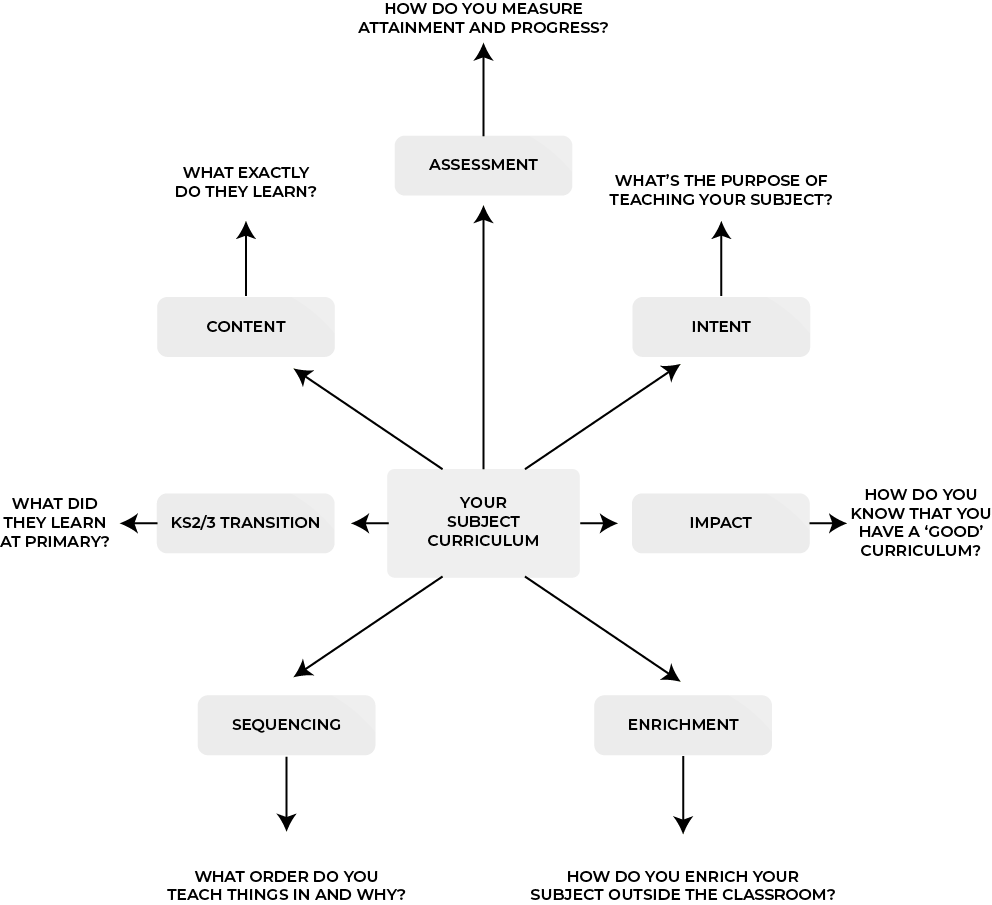
What exactly do they learn?

Pupils will build on their prior KS2 knowledge of art and design of marking making, painting and drawing . We will develop pupils’ creativity and introduce them to the formal elements in art and design. Throughout their KS3 journey they will develop a range of creative art works using prior knowledge of mark making techniques / drawing techniques from KS2 . Pupils will also learn about great artists whilst becoming creative, confident and proficient using a range of art mediums.

What did they learn at primary?

Prior experiences are established through fun quiz which will establish what the students have experi-enced in art at primary school. This will allow us to identify prior learning and gaps in learning. Our KS3 art curriculum is in the main a starting point for stu-dents, as creative subjects appear not to be as preva-lent as core subjects. We are developing links with our primary feeder schools to establish what areas of art covered so far to ensure students can be stretched and make progress immediately when starting at Archbishop Beck. Students have a baseline assessment to establish the range of abilities in artistic ability. This will inform our curriculum planning. The first term will concentrate on the formal elements to build on any skills learned at primary.

How do you measure attainment and progress?

Students are assessed formally twice across the college year in line with college policy. Progress is tracked according to a set of core skills that they will progress through, throughout KS3. Staff will give a combination of verbal and next step feedback to students as to how best to improve their work and make use of the trackers in the sketchbooks.

Feedback helps students be aware of their strengths and weakness of studied topic and in conjunction with the progress tracker /skills list to enable independent improvement of their work. Students will refine their skills of the design loop by revisiting the topic as they progress through the course. KS4 and KS5 assessments are on assessment objective criteria, using materials from the awarding body, AQA. All learners will receive further classroom intervention if assessments identify gaps in their knowledge, skills and understanding. Teachers will frequently recall prior learning in lessons and this is further supported in consolidations at the beginning of every lesson.

What order do you teach things in and why?

KS3 is taught for 1 x 50 minute lesson per week topics are revisited within each project and each year, covering all aspects of the formal elements within each project they complete. This allows students to get a real taste of what the skills the subject requires at GCSE and allow them to refine and develop their skills.

KS4 will be project based on a personal investigation for 60% of the total coursework required and the other a 40% externally set assignment from the AQA examining board.

What’s the purpose of teaching your subject?

Art and design is a practical and valuable subject. It enables children and young people to actively contribute to the creativity, culture, wealth and well-being of themselves, their community and their nation. It teaches how to take risks and so become more resourceful, innovative, enterprising and capable. Working in the arts helps learners to develop creative problem-solving skills. … Art instruction helps children with the development of motor skills, language skills, social skills, decision-making, risk-taking, and inventiveness.

How do you know that you have a ‘good’ curriculum? The students perform well at Key Stage 3 and develop key skills that support their progression into GCSE. This impacts the department positively as the demand is high when students pick their options at Key Stage 4, in many cases leading to two teaching groups running as option choices. Excellent Key Stage 4 outcomes are achieved in art and design showing a positive progress score. This leads to many students opting to continue qualifications at Post 16, again achieving positive value added scores and destinations within HE and employment.

How do you enrich your subject outside the classroom?

In our Department we have visiting Designers and Artists. We also have KS4/5 trips to galleries/ museums. As part of A01 for KS4 and KS5 pupils . We encourage pupils to conduct their own research in their local area by visiting galleries, museums and design exhibitions.