
Welcome to English

Meet our staff
- Mrs S Wills (Head of Department)
- Mr G Daly (Second in Department)
- Miss E Griffiths
- Miss H Mangan (KS5 Co-Ordinator)
- Mrs B Pimblett
- Mrs S Robson
- Mrs T Hughes
- Mr J Reed
- Miss M Hulse
- Mr C Jaeger
Downloads
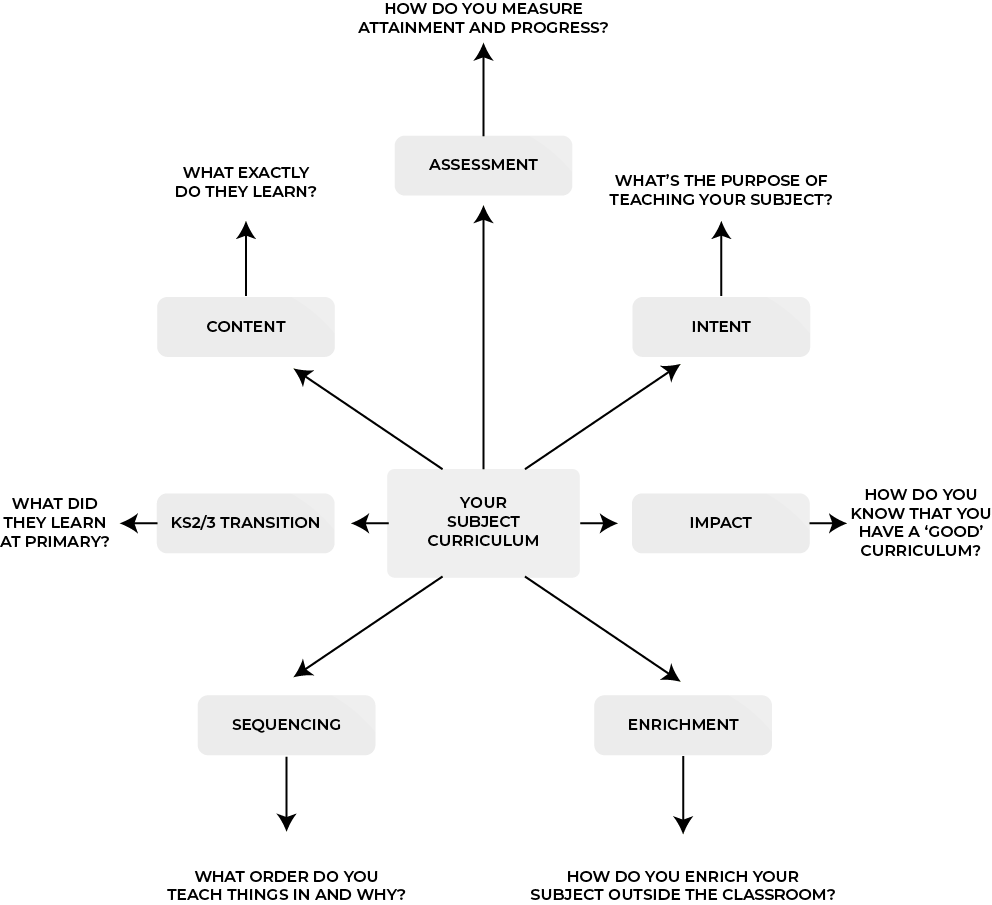
What exactly do they learn?
At Key Stage 3, students encounter a broad and challenging selection of literature designed to cultivate an appreciation of reading and its significance within society. The study of a wide range of texts, both classic and modern, supports the acquisition of cultural and literary knowledge while promoting critical engagement with enduring themes. Units of study include the Gothic Genre, Shakespeare’s Tragic Villains, Viewpoint Writing, and a diverse selection of poetry.
The Key Stage 4 curriculum consolidates and extends the foundations established at Key Stage 3. Students are required to demonstrate an informed and critical response to literature, engaging with texts through detailed analysis of language, structure, form, and context. Writing is developed to a high level of competency, enabling precision, coherence, and stylistic control. The curriculum is deliberately sequenced to ensure progression and challenge, while oracy remains integral, fostering the ability to articulate interpretations and arguments with clarity and authority.
At Key Stage 5, learners extend their intellectual engagement with literature through sustained critical reading and independent inquiry. They demonstrate an advanced appreciation of texts by interrogating complex ideas, evaluating interpretations, and articulating sophisticated arguments. This stage of study consolidates the knowledge, skills, and cultural capital developed at earlier stages, preparing students for higher education and future academic or professional pathways.
How do you measure attainment and progress?
Assessment benchmarks are derived from Key Stage 2 data; following each formal assessment, students are required to engage with detailed feedback, ensuring that reflection, redrafting, and consolidation of knowledge form an integral part of the learning process.
At Key Stage 3, assessment tasks encompass a range of reading and writing activities, designed to strengthen core skills while cultivating originality and critical engagement with texts. At Key Stages 4 and 5, assessment is modelled on formal examination requirements, with learners completing tasks directly aligned to the standards of the awarding body (AQA). This progression ensures both academic challenge and preparedness for external examinations.
Where assessment outcomes highlight gaps in knowledge, skills, or conceptual understanding, structured intervention is implemented to address these areas with precision. Retrieval practice and the systematic revisiting of prior learning are embedded within lesson design, reinforcing long-term retention and supporting the incremental mastery of disciplinary knowledge.
What’s the purpose of teaching your subject?
At Archbishop Beck Catholic College, our English curriculum is designed to cultivate a lifelong passion for language and literature. We aim to develop learners who are confident readers, articulate writers, and thoughtful communicators, equipped to navigate and contribute to an ever-evolving world.
Through exposure to a diverse range of texts—from classic literature to contemporary works—we encourage learners to explore different perspectives, cultures, and ideas. Our program emphasizes critical analysis, creative expression, and the ability to construct well-reasoned arguments, fostering both academic excellence and personal growth.
We are committed to:
- Reading: Enhancing comprehension and analytical skills by engaging with a variety of genres and authors, thereby broadening learners’ horizons and deepening their understanding of the human experience.
- Writing: Developing clarity, coherence, and creativity in writing across multiple forms and for various audiences, ensuring learners can express their ideas effectively and persuasively.
- Speaking and Listening: Promoting articulate and confident verbal communication, active listening, and respectful dialogue, preparing learners for collaborative environments and public discourse.
Our inclusive and supportive learning environment encourages learners to take intellectual risks, embrace challenges, and reflect on their learning journey. By integrating technology and cross-curricular connections, we ensure that our English curriculum remains relevant and responsive to the needs of our learners.
What did they learn at primary?
Our Key Stage 3 curriculum is designed to consolidate the knowledge and skills acquired at Key Stage 2, ensuring that learners are able to activate and extend prior learning as they transition smoothly into secondary study. For learners entering below the expected standard, a tailored reading programme is in place. This provision enables systematic monitoring of progress and ensures that any gaps in literacy are effectively addressed, supporting learners in developing the skills required to succeed at Key Stage 3 and beyond.
What order do you teach things in and why?
The curriculum is coherently and logically sequenced across all key stages, enabling knowledge and skills to develop incrementally over time. Assessment tasks and learning activities are carefully designed to demonstrate progress, requiring learners to think critically, make connections with prior knowledge, and engage with increasingly complex concepts.
How do you know that you have a ‘good’ curriculum?
High expectations are set for all learners, with targeted support and challenge ensuring that every student is able to access the curriculum and reach their potential. Regular assessment, robust moderation, and systematic review of teaching and learning guarantee that curriculum intent is consistently translated into classroom practice.
Evidence of impact is seen in learners’ ability to read critically, write with clarity and precision, and articulate ideas with confidence. Examination outcomes, progression into higher education and employment, and learner voice all confirm the strength of the provision. In addition, the breadth and diversity of texts studied provide learners with the cultural capital required to engage meaningfully with the wider world.
Our curriculum is therefore not only academically rigorous but also transformational in preparing learners to thrive as independent, reflective, and articulate individuals.
How do you enrich your subject outside the classroom?
The English Department offers a range of enrichment opportunities to extend learning beyond the classroom. Students engage in writing competitions and literary workshops, including sessions with ex-student poet, Joseph Roberts. Learners have also benefitted from theatre company productions of Romeo and Juliet, Jekyll and Hyde, and Macbeth. These experiences foster creativity, critical thinking, and communication skills while broadening cultural knowledge and inspiring a lifelong love of literature.